
Zambia warns of possible El Niño return
 Nation Reporter

Zambia warns of possible El Niño return
Content Type: Free
By MUBITA KATETE
ZAMBIA has warned of the possible return of another El Niño weather phenomenon later this year, urging African countries to strengthen preparedness measures to avoid devastating climate shocks that continue to threaten lives and economies across the continent.
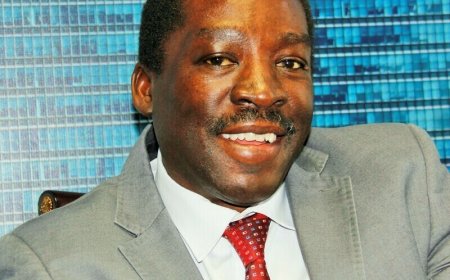
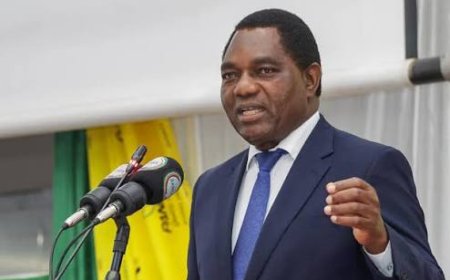
Speaking during the official opening of the 21st Africa Continental Climate Outlook Forum (ACCOF-21) in Lusaka, Dr. Douty Chibamba, the Green Economy Permanent Secretary said Africa remains highly vulnerable to extreme weather events, making early preparation critical.
Dr. Chibamba said current global forecasts indicate the possibility of another El Niño event developing during the latter part of 2026, a development that requires urgent action from governments and stakeholders.
“Current forecasts from global producing centres suggest the possibility of another El Niño event developing during the latter part of 2026. While uncertainty remains regarding its magnitude and localized impacts, the science is sufficiently clear for us to begin strengthening preparedness measures,” he said.
He noted that Zambia had already experienced the harsh effects of climate change following the severe 2023/2024 drought, which forced government to declare a national disaster after crop production was devastated and hydropower generation significantly reduced.
“That experience taught us, in the most direct way possible, that climate shocks are not abstract projections. They are present-day realities that can reverse years of hard-won development gains,” Dr. Chibamba said.
Dr Chibamba said this year’s continental climate forum, being hosted in Lusaka, comes at a critical time as African nations work together to strengthen climate resilience and improve early warning systems.
He stressed that climate information alone is not enough unless it translates into practical action that helps governments and communities make informed decisions in sectors such as agriculture, disaster management, water resources and public health.
“The question before us is no longer whether climate shocks will occur, but whether we are adequately prepared to anticipate, manage and reduce their impact,” he said.
Dr. Chibamba further disclosed that Zambia is investing in the modernization of weather observation infrastructure, expansion of irrigation systems and digital climate advisory services expected to reach over one million farmers across the country.
He said government remains committed to strengthening climate resilience while accelerating renewable energy investments as part of efforts to reduce dependence on hydropower and protect the country against future climate-induced disruptions.
“We firmly believe that early warning must trigger early action, enabling governments, communities and institutions to prepare before hazards become disasters,” he said.By