
Voters now more informed - Ngoma
 Nation Reporter
Voters now more informed - Ngoma
Content Type: Free
…says social media and access to information are transforming elections as citizens increasingly scrutinise leaders and demand, accountability results.
By NATION REPORTER
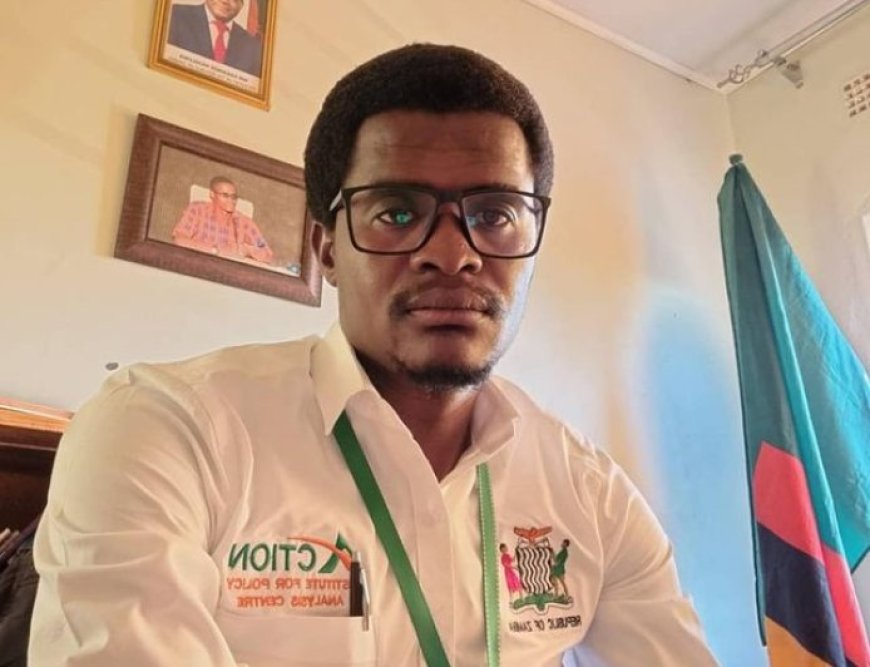
THE rise of social media and greater access to information has empowered voters to participate more actively in democracy by comparing leaders, tracking performance and mobilising around shared concerns, Action Institute for Policy Analysis Centre executive director Solomon Ngoma has said.
Mr Ngoma said Zambian politics had historically been shaped by simplicity and practicality, where elections were often won through personality, cultural appeal or protest rather than detailed policy debates.
He said in the past, a popular campaign song or a charismatic leader could have a greater impact on voters than a well-crafted manifesto, while elections were sometimes used by citizens as an opportunity to punish those in power.
“True Zambian politics has long been shaped by simplicity and practicality. For decades, elections were often won not through sophisticated policy arguments or intellectual debates, but through personality, cultural resonance, or even protest,” Mr Ngoma said.
“A song that captured the national mood could sway voters more than a manifesto, and a charismatic leader could triumph over one armed with detailed economic plans. Sometimes, people voted simply to punish those in power, reminding leaders that accountability rests in the hands of the people.”
He, however, said the political landscape was changing both in Zambia and across Africa, with voters becoming increasingly aware of the influence they wield through the ballot box.
Mr Ngoma said elections were no longer merely platforms for expressing frustration or supporting personalities, but had become instruments through which citizens sought to shape the future of their countries.
“Voters today are increasingly aware of the power they hold. The ballot box is no longer just a place to express frustration or rally behind a personality; it has become a tool for shaping the future,” he said.
“Citizens are demanding more from their leaders, scrutinising promises, and expecting delivery on issues such as jobs, healthcare, education and infrastructure.”
Mr Ngoma said the growth of social media and wider access to information had significantly contributed to this shift by enabling citizens to evaluate leaders more effectively and organise around common concerns.
“The rise of social media and greater access to information has amplified this awareness, allowing voters to compare leaders, track performance and mobilise around shared concerns,” he said.
Mr Ngoma said while personality, music and protest remained influential factors in politics, they were now accompanied by a growing demand for accountability and measurable results.
“This shift does not mean that personality, music or protest have disappeared from politics. They remain powerful forces in shaping campaigns and national moods. But they now coexist with a growing insistence on accountability and tangible results,” he said.
Mr Ngoma African electorates, including Zambians, were increasingly demonstrating that they were active participants in democracy who understood the value of their vote.
“Politics in Zambia, and across the continent, is still vibrant and deeply tied to culture and everyday life. But it is also evolving into a more conscious and deliberate exercise of power,” he said.
Mr Ngoma said analysts who previously viewed African elections as unpredictable or driven primarily by emotion should recognise that voters were becoming more strategic, informed and determined to influence the direction of their countries.
“Analysts who once dismissed African elections as unpredictable or overly emotional must now recognise that voters are increasingly strategic, aware and determined to shape their own destinies,” he said.
ENDS