
Refuse to be silenced, vote wisely – Dipak Patel
 Nation Reporter
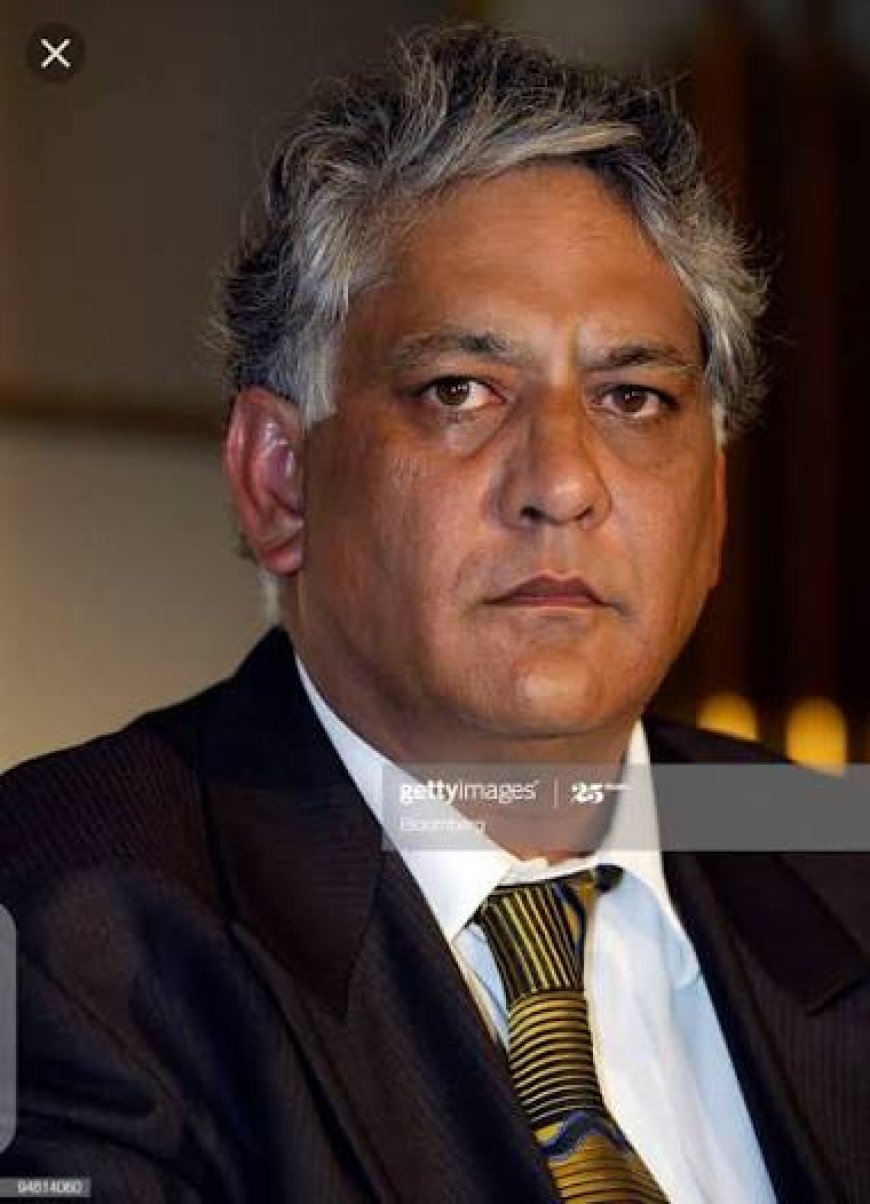
Refuse to be silenced, vote wisely – Dipak Patel
Content Type: Free
…says intolerance must be buried in the dustbin of history, as it belongs to the graveyard of dead ideas, explains that democracy survives when citizens freely criticise leaders, challenge authority and refuse to surrender their voices
By NATION REPORTER
AS the country’s general election slated for August 13, nears, Zambians should vote wisely but should also be able to hold leaders accountable, former Information Minister Dipak Patel has said.
Mr Patel, who is also former Lusaka Central Member of Parliament and served under MMD from 1991 to 2006 said in a write up that democracy can only thrive when citizens remain free to disagree, question authority and express their frustrations.
Mr Patel said with only eight weeks remaining before the polls, the country should embrace robust political debate and reject any attempts to suppress dissenting voices.
In his write up titled “Strengthening the Democratic Fabric: Enhancing Campaign Standards in Zambia,” Mr Patel reflected on Zambia’s democratic journey and warned against repeating mistakes that characterised previous election periods.
Having participated in several presidential campaigns dating back to 1991, Mr Patel said opposition political parties had historically faced restrictions that included denial of rallies, unequal access to public media and limitations on campaign logistics.
“The historical challenges faced by the UPND in 2006, 2008, 2015, 2016 and 2021 during previous election campaigns are well documented,” Mr Patel said.
He recalled instances where opposition parties complained of police restrictions, limited access to the national broadcaster and institutional indifference to electoral grievances.
“These events are ‘never again’ lessons. This intolerance must now be buried in the dustbin of history. It belongs to the graveyard of dead ideas,” the former Minister said.
Mr Patel said democracy was not built on silence and uniformity but on open debate and disagreement.
“As we prepare to cast our ballots, we must remember that a healthy democracy does not merely tolerate outlets of dissent, humour, satire and frustration; it requires them to survive,” he said.
The former law maker, sometimes referred to as “Mr Bauleni” (in reference to the densely populated township which forms part of Lusaka Central Constituency) said dissent served as a safety valve that prevented political tensions from escalating into conflict.
“The citizen’s duty is not to be a cheerleader; it is to be a critic,” Mr Patel said.
He also defended satire and humour as essential democratic tools capable of holding leaders accountable.
“A government that fears a joke is a government that fears its own people,” Mr Patel said.
He further said citizens should not be condemned for expressing frustration over economic challenges, healthcare concerns or the pace of national development.
“When a voter expresses anger at the cost of living, the quality of healthcare or the slow pace of change, that frustration is a data point. It is a demand for better,” Mr Patel said.
He called on institutions such as the police, public media and other state bodies to remain impartial during the election period.
“The role of the police during an election is often the most difficult: they must be calm referees in a stadium where everyone is screaming,” the former Information Minister said.
Mr Patel added that the public broadcaster should provide balanced coverage to all political players.
“The role of the public broadcaster is not to be a vuvuzela of the government, but to serve as an impartial platform that provides equitable, balanced and fact-based information to all citizens,” he said.
As the election campaign intensifies, Mr Patel encouraged Zambians to preserve both their right to vote and their right to speak freely.
ENDS